
17 Avr Moon is launching a solar system designed to operate for 10 years without maintenance, and reparable
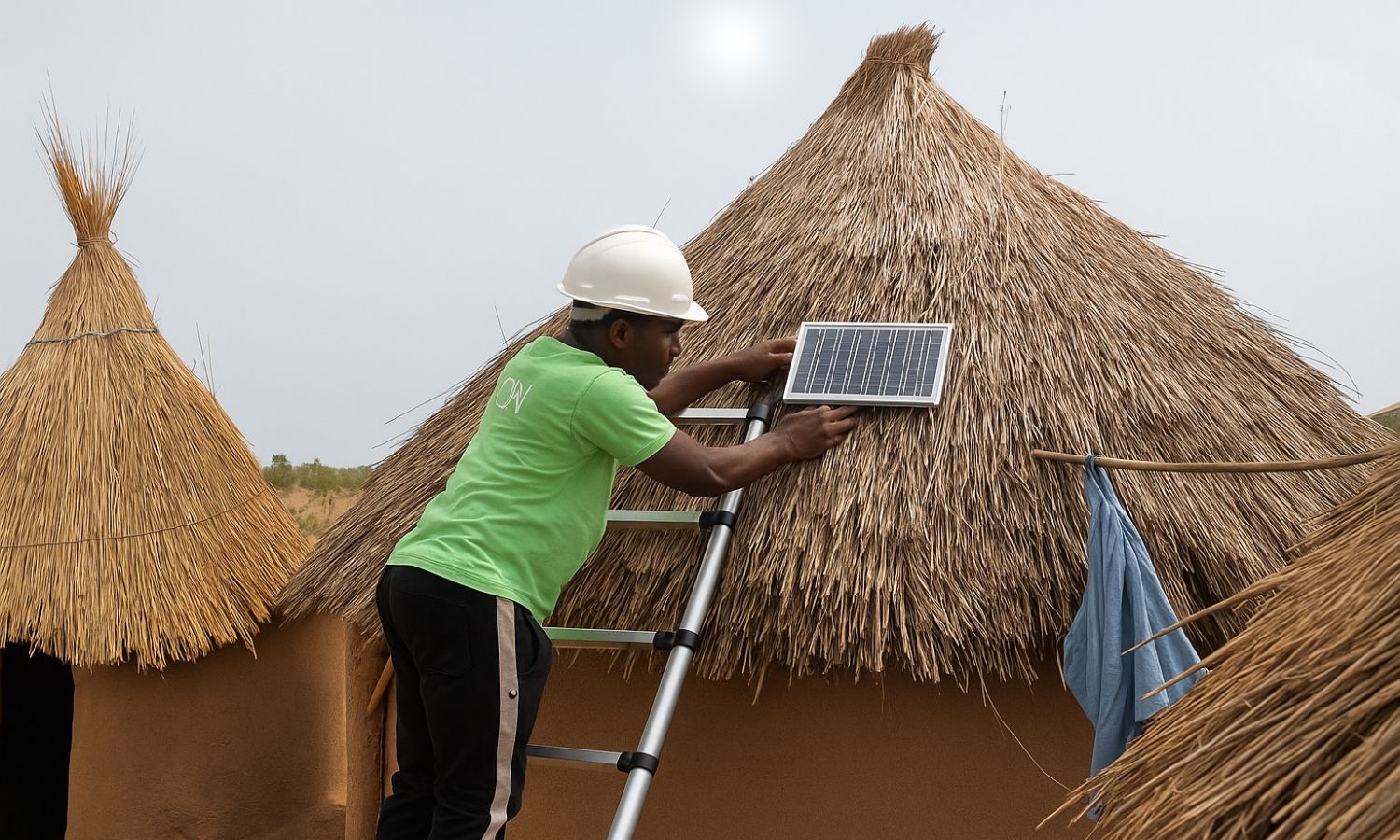
Moon has announced the launch of a solar home system designed to operate maintenance-free for the first 10 years, featuring a repairable design built for the long term. This innovation is part of a wider initiative: the roll-out of its ESIO™ solution in five new African countries, in collaboration with local operators, NGOs and institutional partners.
A solar system designed to last - and to be operated as infrastructure
In the off-grid solar sector, one thing remains clear: whilst access to energy is improving, ensuring the long-term reliability of the service remains a challenge. Too many systems fail due to a lack of proper maintenance, monitoring or sustainable business models.
This Verasol-certified solar home system has been designed to operate for up to 10 years without maintenance, and repairable as an infrastructure. The aim is not only to extend the equipment’s lifespan, but also to ensure a reliable energy supply over time, even in the most remote areas.
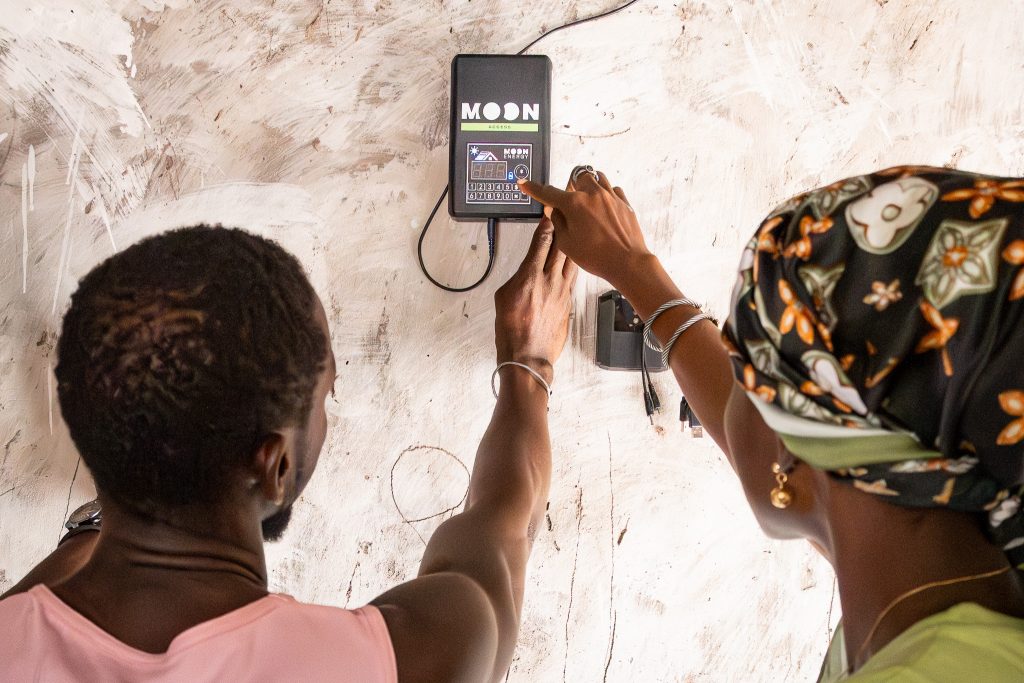
Prepaid, connected and communicative, the system enables simplified on-site service management, even with poor or no mobile network coverage. It follows a clear approach: a solar home sysem is not just a product to be distributed, but as a building block of decentralised energy infrastructure.
From equipment to service: an integrated approach with ESIO™
This solar system forms part of Moon ESIO™, a broader solution designed to address the operational challenges facing the off-grid sector: difficulties in monitoring installations, a lack of reliable data, high costs associated with field operations, and the fragility of after-sales service.
ESIO™ combine :
- Moon Energy System™, the sustainable and repairable solar system,
- Moon IO™, a software platform for managing equipment, payments, field teams and customer support,
- Moon Training Services, a training programme designed to build the capacity of local operators.
This solution aims to enable stakeholders in the sector — operators, NGOs and public agencies — to roll out domestic solar systems as a long-term service, with a high level of traceability and performance. This approach is designed to be integrated into performance-based financing mechanisms and national strategies for universal access to energy. It is also part of the initiative led by REAL Programme Catalyst, of which Moon is a founding member, which aims to structure and accelerate the roll-out Energy-as-a-Service models as a cornerstone of public policies on energy access.
An innovation tailored to the sector’s needs
As access to energy improves, the remaining populations are often the hardest to reach: remote areas, low ability to pay, and significant logistical challenges. In this context, traditional models — cash sales or hire purchase — are showing their limitations. The SHS-as-a-Service model, which is based on paying for a service rather than a product, appears to be a suitable alternative for hardest-to-reach.
By launching a system designed to require no maintenance for the first 10 years, combined with a control software layer, Moon aims to address a key challenge facing the sector: ensuring long-term access to essential energy.
Five new countries, one ambition
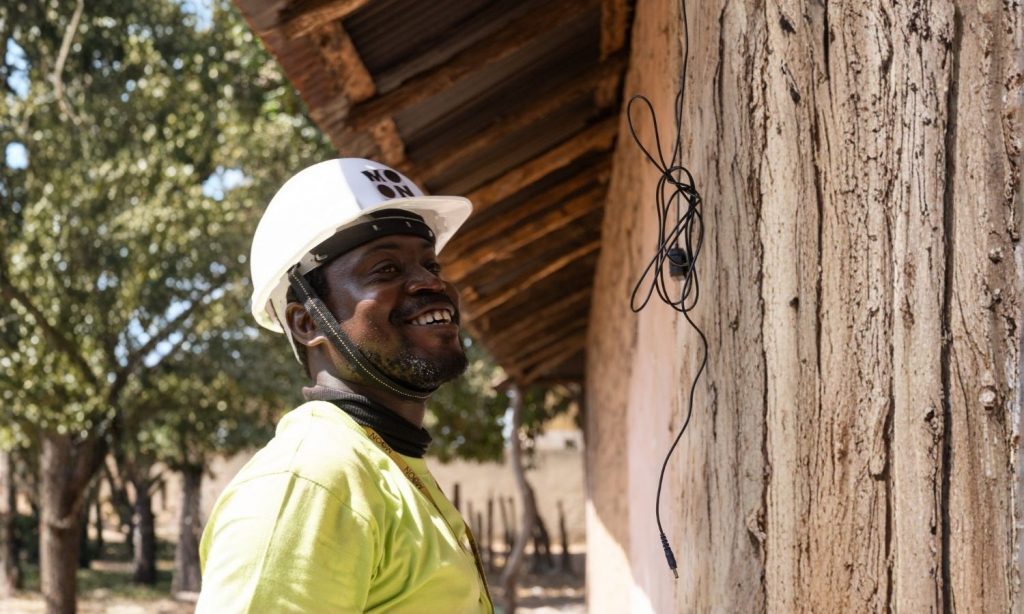
Following on from Malawi, Sierra Leone and Madagascar, Moon is supporting the roll-out of SHS as-a-Service in five new countries this year: Benin, Burundi, Chad, Mozambique and Niger.
In collaboration with our local partner operators, these projects form part of programmes supported by the World Bank, EnDev and public electrification agencies, aimed at reaching rural communities without electricity.
For every project, our aim remains the same: to enable local operators, NGOs and public agencies to roll out and operate essential energy access services with transparency, traceability and cost control.
Paving the way for a new generation of decentralised energy infrastructure
With this two-fold announcement — a reparable system designed to operate maintenance-free for the first 10 years and a rollout into new markets — Moon is confirming a clear strategic direction. The challenge is no longer to provide equipment, but to establish distributed energy services that can be integrated into public policy and complement other electrification solutions, such as grid extension or mini-grids.
With this in mind, solar home systems is evolving: it is gradually shifting from an individual product to an infrastructure, managed and operated on a long-term basis.
No Comments